
社会契約論はソーシャル・セルフ論の原点だ。

「人間は生まれながらにして自由である。しかし、いたるところで鎖につながれている。自分こそが主人だと思っている人もじつは奴隷であることに変わりはない」は、教科書にも載っていたルソー『社会契約論』第一章冒頭。そして、これに続いて、鉄鎖につながれ、主人が奴隷となることがなぜ正当化されるのかが問われている。これを説明するために「社会契約論」が成立した。この主客逆転こそ、これこそは、紛れもなくソーシャル・セルフ論の原点だと思うのだ。
社会契約論はソーシャル・セルフ論の原点だ。
「人間は生まれながらにして自由である。しかし、いたるところで鎖につながれている。自分こそが主人だと思っている人もじつは奴隷であることに変わりはない」は、教科書にも載っていたルソー『社会契約論』第一章冒頭。そして、これに続いて、鉄鎖につながれ、主人が奴隷となることがなぜ正当化されるのかが問われている。これを説明するために「社会契約論」が成立した。この主客逆転こそ、これこそは、紛れもなくソーシャル・セルフ論の原点だと思うのだ。
ジェームズ『心理学』を読む

現代人は複数の顔を持っているが、その顔は他者のイメージとの相互作用によって共有されている。
「一人の人は、彼を認め彼のイメージを心に抱いている個人の数と同数の社会的自我をもっている。これらの彼のイメージのどれを傷つけても彼を傷つけることになる(W・ジェームズ『心理学』岩波文庫」
などの内容を盛り込んだ新刊『ソーシャル・セルフ 社会関係自我』が3月初めに発売されます。人生データを含む赤裸々な自分史も読むことができます。全国書店で予約注文受付中。詳細は https://motoshimonbooks.rossa.cc/
「他者は一つの私である」とルソーはピチエ(憐れみ)を示した。と、レヴィ=ストロ―スは描いている『人類学の創始者ルソー』。
ルソーでは「第一に自我と他者の関係が逆転する。なぜなら、私が音楽をきくとき、私は音楽を通じて私自身をきくのだから。第二に、魂と肉体の関係が逆転し、音楽は私のうちにおいて自らを生きるのだ。最後に、・・・ルソーが植物学の中に見出したいと願うものは感覚的なものと知的なものとの結合であることは明白である」つまり、他者との同化の原理と、自我を受け入れることを拒否する原理が重要なのである。
これを引用した新刊『ソーシャル・セルフ 社会関係自我』が電子書籍で今日発売。https://motoshimonbooks.rossa.cc/を参照。


「わたし」というのは一人の「他人」です。
・・・
「詩人は・・・『見者』になるのです。
己自身を探し求め、己の裡にある一切の毒物を汲み尽くし、その精髄のみを保存するのです。
口舌に尽くし難い苦悩、その時こそ、あらゆる信念、あらゆる超人間的な力が必要であり、
その時こそあらゆる人々の中で最も偉大な病者、最も偉大な罪人、最も呪われ人となり、
果ては至上の「学者」となる!なにしろ彼は未知のものに達しているからである!」
(ランボオ『見者の手紙』)
・・・
新刊『ソーシャル・セルフ社会関係自我』予約中 https://motoshimonbooks.rossa.cc/ 参照
「ソーシャル・セルフ」研究は、3年越しの研究の成果をまとめました。『ソーシャル・セルフ 社会関係自我』(Motoshimon Books刊)として、2026年2月に電子版、同じく3月に書籍版を発行いたします。詳しくは、https://motoshimonbooks.rossa.cc/



世界ときみは、二本の木が並んで立つように、どちらも寄りかかることなく、それぞれまっすぐに立っている。でも、外に立つ世界とは別に、きみの中にも、一つの世界がある。きみは自分の内部の広大な薄明の世界を想像してみることができる。きみの意識は二つの世界の境界の上にいる。大事なのは、山脈や人や染色工場やセミ時雨などからなる外の世界と、きみの中にある広い世界との間に連絡をつけること、一歩の距離をおいて並び立つ二つの世界の呼応と調和をはかることだ。
−『スティル・ライフ』池澤夏樹 1988年 中央公論社
人間の自我は彼が所属している集団の態度をとりいれる能力をとおして生じる、ということと、はっきり対照させたかったのである。人間の自我の発生についてなぜそういえるかといえば、人間は、彼が所属する社会をとおして、自分と対話することができ、また、社会にかんする責任を負うことができるからであり、さらに、他人との対比で、自分自身の義務を認識できるからである。そうしたことが、自我そのものを構成する。

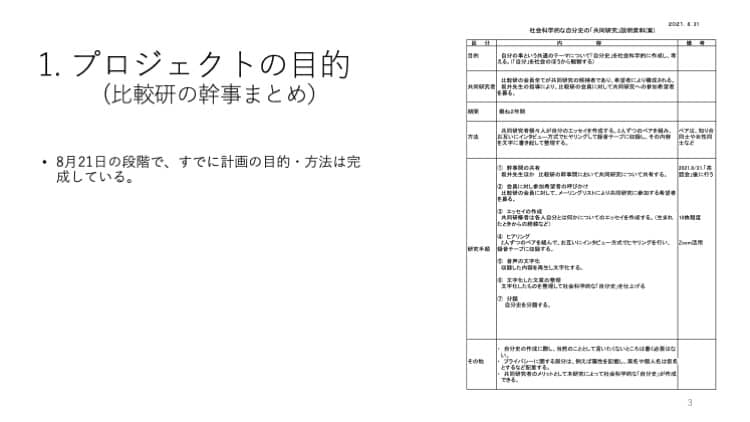
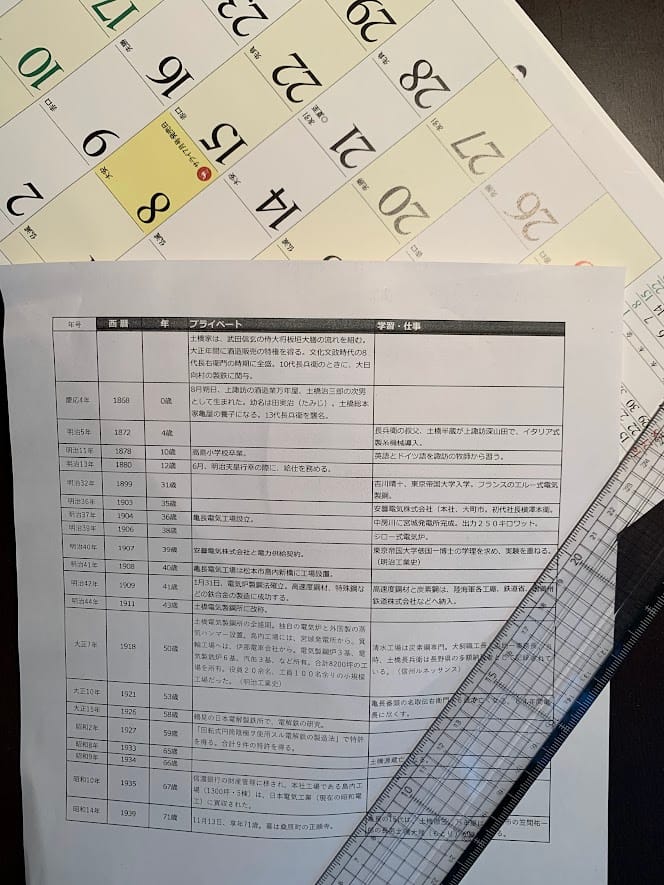


The first step is to create a chronology. You will then create an essay based on this. The format of the essay will vary, and you will be referred to some examples later on. In any case, the process of putting the chronology into writing will follow.
You will then be asked to pair up. Pairing is optional, but the participants will interview each other, record it on audio tape, and then transcribe it to summarise how other people’s influences manifested themselves as a result of the interview research.
This timeline and essay will be given to the pair’s partner, who will then prepare questions about the people who have influenced Ms A and those who have influenced her. This will result in an interview about social influences.

What is the social self that we will explore with you? What is the social self like? This is what we are going to do. So, as a theoretical prop, there is a school of thought called Symbolic Interaction. They have proposed a social ego theory of the self.
In this social ego theory, the self, mainly in the left-hand domain, is a term for what is known in English as the ‘principal self’. This term is used by the self to recognise itself. In other words, it is the ‘I’. However, as soon as the self recognises itself, the concept of this subject, the ‘subject-self’, disappears. What remains is the ‘guest-self’, which means that only the side of the observer will remain. Therefore, this concept of ‘subject-self’ and ‘object-self’ is at an uncertain stage, as to what actions the self intends to take, whether its intentions are right or wrong, or whether the intentions themselves exist. This area is treated as a difficult area to understand and is assumed to exist. However, it is this ‘object-self’ stage that we actually consider to be the self, as revealed by social ego theory. Therefore, although the term ego is usually used in psychology as well, the sociological ego consists of a synthesis of the ‘subject-self’ and the ‘object-self’. It is the ‘object-self’ that is represented when describing the actions performed in the self. There is also another element in terms of time. This is the aspect of the self being formed by the influence of others.
It is actually the right half of the project that I would like to focus on in particular in this project. In the left half there are many case studies and psychoanalytic studies, which are mainly concerned with the formation of the self. On the other hand, there is the relationship that the self is formed by the relationship with others. It can be said that the self exists because of the relationship with others. This is the core point of the present study. Regarding the self, the focus has so far been on the left side, where the self is formed by thinking about oneself, while the relationship with others has been less well researched in some areas.
However, in psychoanalysis, the left side is called self-understanding and the right side is called other-understanding. In other words, there is a self that identifies with others and needs to incorporate parts of the self that are in opposition to the problems of the self. Thus, the self in external relations is divided into two elements, which can be either accepting or in conflict with the other. If this division is successfully revealed from the results of the interviews, the first intention has been achieved.
The first phase of the project will proceed with the chronological part on the left-hand side, and after the chronology has been completed, the right-hand side of the interviews will be conducted. This project should allow you to consider the relationship between both of these, which form a holistic picture of the self.